2do reboot de Miami Vice. La anterior fue con Colin Farrell.
1 me gusta
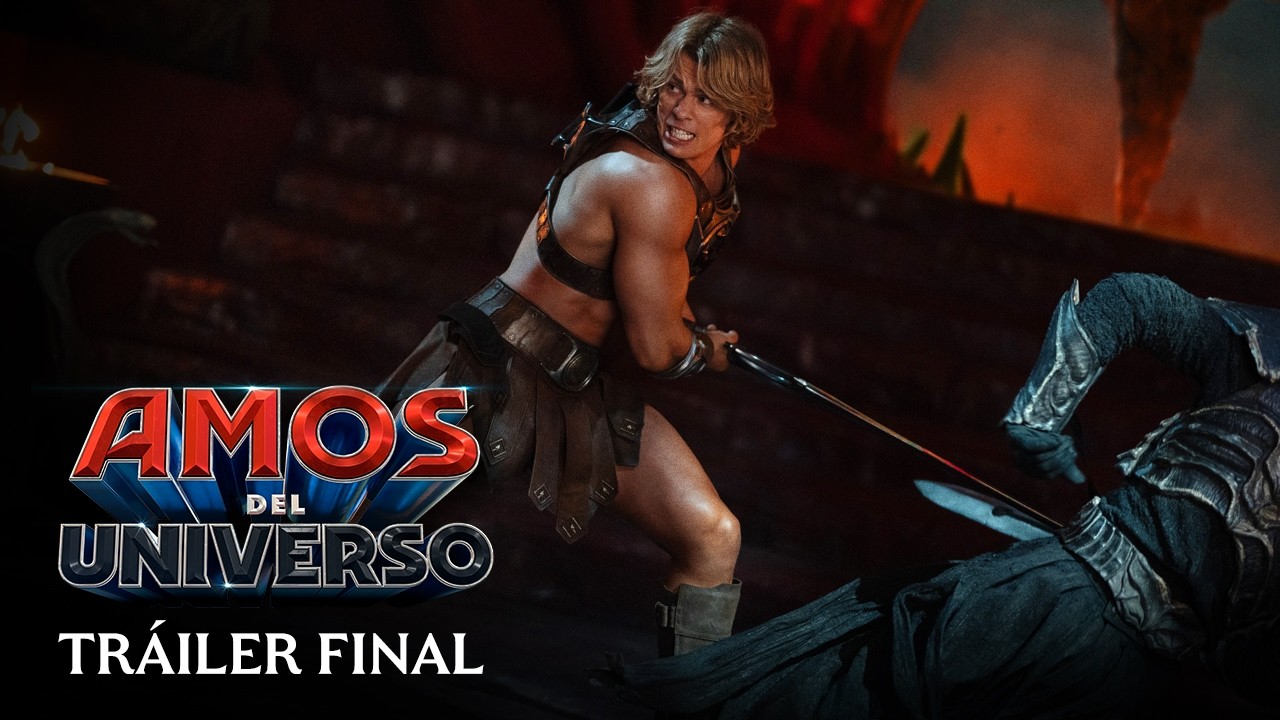
2 Me gusta
Hablando de reboots, me había olvidado de comentar que va a salir un reboot de… Westworld.
Warner Bros siendo Warner Bros. Cancelan la serie hace 4 años, y ahora anuncian una película reboot.
Falta que hagan película de Raised The Wolves. Otra serie que cancelaron al pedo. Le podrían haber dado 1 temporada mas y darle un final.
2 Me gusta
La conocia pero vale la pena la primer temporada?
¿De Westworld?. La 1er temporada es buenísima. La 2da también. Decae en la 3ra y en la 4ta. Y los imbéciles la cancelaron cuando la idea era que la historia termine en la 5ta temporada.
RBW es diferente, tiene un tono medio religioso, en cierto sentido es mas bizarra, extraña y muy misteriosa, pero me gustaba. Hay 2 temporadas.
3 Me gusta
Dos series que merecian tener un final.
Por lo que fue WW en sus primeras dos temporadas que son tremendas y Raised by Wolves por lo original que era…
1 me gusta
https://greekcitytimes.com/2026/05/25/a-letter-to-hollywood-and-nolans-odyssey-cast-from-us-greeks/
A Letter to Hollywood and Nolan’s Odyssey Cast from Us Greeks
To the cast and creative team of Christopher Nolan’s The Odyssey,
We write to you as Greeks, not as fragments of antiquity, not as echoes from museum displays, and not as characters sealed in marble, but as a living people whose story has never stopped being written.
First, we wish you well.
Cinema has always carried the power to reimagine ancient texts, to cross borders of language and time, and to reintroduce old stories to new generations. Homer’s Odyssey belongs, in many ways, to the shared cultural imagination of humanity. We understand the ambition behind bringing it to the screen on a global scale, and we recognise the artistic tradition of reinterpretation that has surrounded these epics for centuries.
But we also ask you to consider something that is often overlooked in modern retellings of Greek stories.
We did not vanish.
Greek people did not disappear after the age of myth. Greek culture was not frozen in classical marble. Greek language was not extinguished in antiquity.
We are still here.
For more than 3,000 continuous years, Greek identity has persisted through transformation rather than disappearance. From the Mycenaean world that gave rise to the Homeric epics, through the Classical city-states of Athens, Sparta, Corinth, and Thebes, into the Hellenistic period that spread Greek language and thought across the Mediterranean under Alexander’s successors, through the Roman and Byzantine eras where Greek remained a dominant language of administration, philosophy, and theology, into the Ottoman centuries where identity was preserved through language, faith, and community, and finally into the modern Greek state that emerged through revolution and continues today within Europe and the wider world.
At every stage, something essential remained unbroken: language, memory, and cultural continuity.
Greek is still spoken today, the oldest continuously surviving language in Europe. Not reconstructed. Not revived. But lived.
That continuity matters when stories like The Odyssey are retold.
Odysseus is not only a universal symbol of endurance, struggle, and homecoming. He is also part of a cultural inheritance that has been carried through every one of those historical layers — retold by Byzantine scholars, preserved in manuscripts copied through the medieval world, studied during the Renaissance, and still taught, spoken, and reinterpreted in Greece today.
This is why conversations about representation matter deeply to us.
We are not asking for exclusion or limitation. We are not arguing against diversity, nor against reinterpretation. Greek culture itself has always been shaped by exchange, migration, and encounter across centuries.
What we are asking is something simpler and more human.
That when Greek stories are retold on a global stage, Greek people are not rendered invisible within them.
In recent years, the film industry has rightly placed increasing emphasis on representation; ensuring that cultures are acknowledged, voices are included, and lived experience is not erased in the process of storytelling. Indigenous stories increasingly involve Indigenous voices. Cultural consultation is becoming more standard practice. Identity is treated as part of artistic responsibility.
We ask only that this awareness extend to Greek heritage as well.
Not because Greek identity is fragile, but because it is continuous.
In discussions around The Odyssey, some have argued that mythology belongs to the world and should not be bound by cultural origin. Others see casting diversity as a reflection of the modern global audience rather than historical specificity.
We understand those perspectives. But universality does not require disconnection from origin.
A story can belong to humanity while still recognising the people and language from which it first emerged.
We say this not in anger, but in recognition.
Because too often, Greek history is treated as something that ended rather than something that continued. As if Greece exists only in a classical past, rather than through Byzantine continuity, through Ottoman endurance, through revolutionary rebirth, and into the present day; in cities, villages, islands, and diaspora communities across the world.
So as you step into Homer’s world - into seas, wanderings, gods, and returning kings - we ask that you carry this awareness with you:
That Greece is not only a setting in antiquity.
It is a living country.
Greek people are not historical figures.
We are contemporaries.
And when future opportunities arise to tell stories from any period of Greek history - ancient, medieval, or modern - we hope you will remember that Greek heritage is not absent from those stories. It is present, living, and still speaking for itself.
We wish you success with the film, and respect for the craft that brings such an epic to life. And we hope it contributes to cinema that continues to expand imagination without erasing origin.
We did not vanish.
We are still here.
Through Mycenaean echoes, through Classical philosophy, through Hellenistic expansion, through Byzantine continuity, through Ottoman endurance, through modern nationhood - we remain.
Always have been.
1 me gusta
te imaginas si encima de eso lo hacian colorado??? carton lleno ahi… o no?..
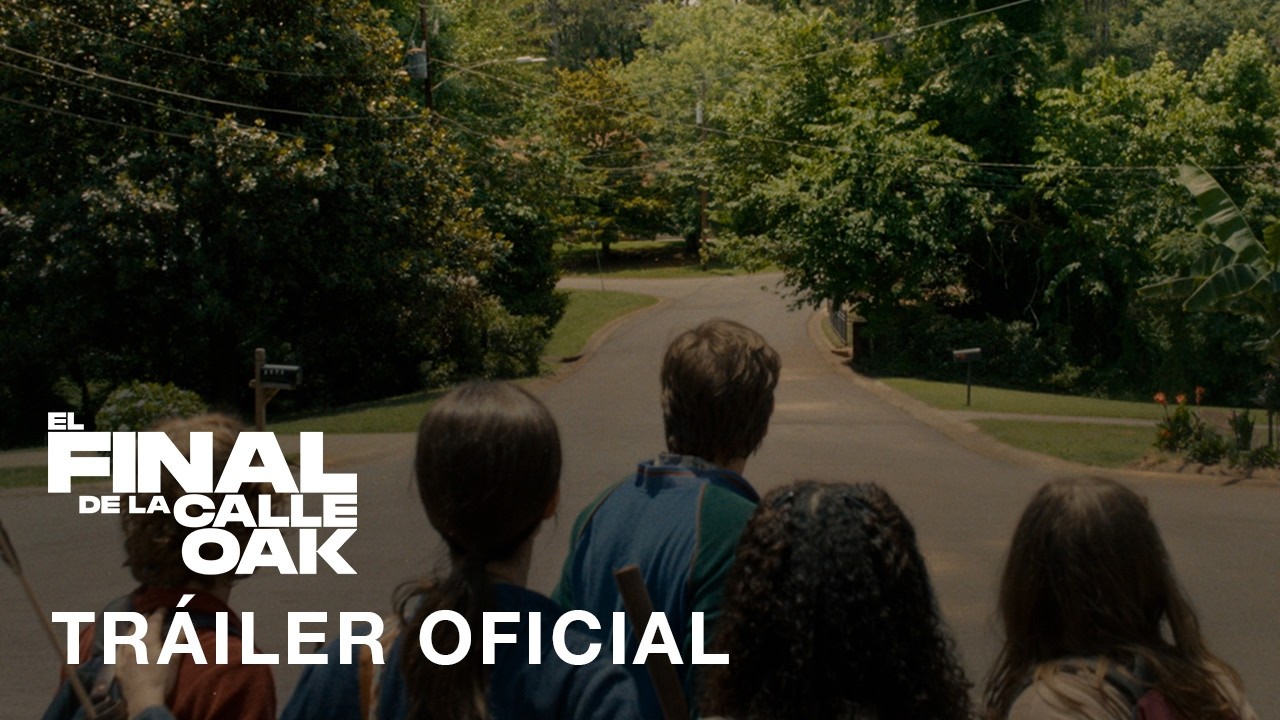
2 Me gusta
Rome de HBO tampoco tuvo final
2 Me gusta
Si lo tuvo, pero anticipado. Solo que la idea original era hacer mas temporadas (como 5).
Leí que la serie fue un fracaso. Me sorprende, porque creo que a todo el mundo le gusto mucho.
1 me gusta
Y siguen los remakes.
4 Me gusta
que buena peli la original, seguro la cagan
1 me gusta
Una capo Russell, por eso salio bien esa pelicula.
3 Me gusta
Naaa no me toquen las obras del maestro carpenter, es imposible que salga bien.
1 me gusta

4 Me gusta
Hasta la musica la componia el viejo carpenter… que chabon crack.
2 Me gusta
Ún animal, la mayoria de sus pelis componía su música
2 Me gusta
se viene la destruccion de otro clasico ahora en manos de este mediopelo total
3 Me gusta